Discover Your Dream Home: Spanish Fork Homes for Sale in 2026
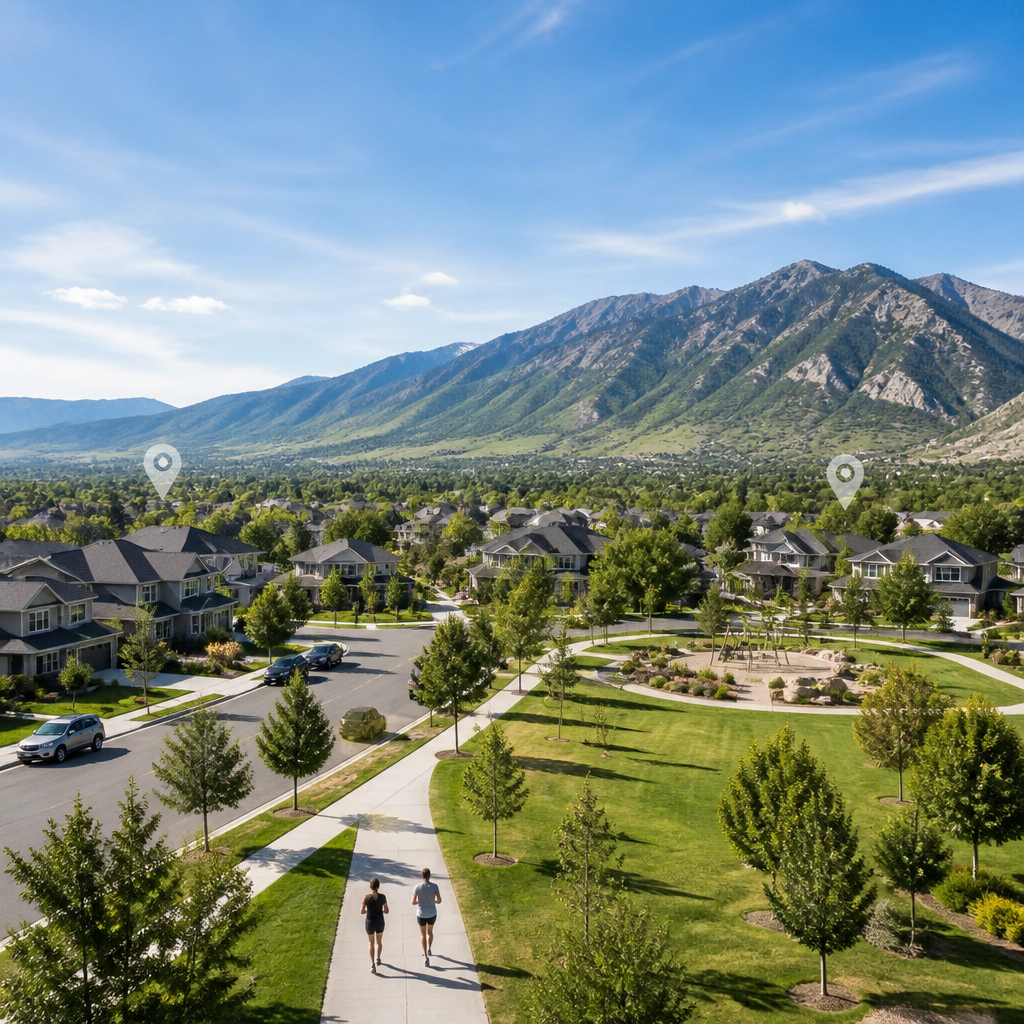
Spanish Fork homes for sale in 2026 sit in a market shaped by steady population and employment growth across southern Utah County. According to U.S. Census Bureau QuickFacts, Spanish Fork’s population grew by roughly 23% between 2010 and 2020, with additional expansion continuing through mid‑2025. That growth, combined with new retail anchors near Spanish Fork Parkway and Highway 6, has pushed demand toward newer subdivisions while keeping long‑established streets near Main Street attractive for buyers seeking character and convenience.
Why Are Spanish Fork Homes for Sale in 2026 Attracting So Much Attention?
Interest in Spanish Fork homes for sale in 2026 largely reflects a balance between price, access, and community amenities. According to Redfin, typical closed prices in Spanish Fork during early 2026 fall in a range from roughly $430,000 to $520,000, depending on age and size. That range often compares favorably with Springville and Mapleton, while offering similar access to Interstate 15 and regional employers in Provo and Orem. Many buyers see that balance as a practical way to secure more square footage per dollar.
Commuting advantages amplify interest. Spanish Fork residents reach downtown Provo in about 15 to 20 minutes by car via Highway 6 and I‑15, based on drive‑time estimates from Google Maps. The planned Vineyard FrontRunner station, highlighted by Utah Transit Authority, keeps long‑term regional rail access in play for southern Utah County residents. Those transportation links help Spanish Fork compete with Salem and Santaquin for households balancing affordability with reasonable commute times.
Local economic development also supports demand. The Spanish Fork Fairgrounds, Spanish Fork Rodeo Grounds, and the commercial corridor along Canyon Road and Spanish Fork Parkway attract visitors from surrounding communities. According to the City of Spanish Fork Economic Development office, retail square footage near the Costco Spanish Fork and Walmart Supercenter has expanded by more than 200,000 square feet since the mid‑2010s. That growth increases job opportunities and stabilizes retail options, which benefits nearby residential neighborhoods.
Quality of life considerations round out the picture. Spanish Fork River Trail, Canyon View Park, and Spanish Fork City Park line the Spanish Fork River corridor with playgrounds, sports fields, and paved paths. According to Walk Score, the city averages a walk score near 28, typical for suburban communities, but neighborhoods close to Main Street and the Spanish Fork Library score higher. Those pockets of walkability, combined with backyard space in newer subdivisions near 1100 East and 2550 East, appeal to households seeking both outdoor access and modern layouts.
What Neighborhoods and Streets in Spanish Fork Stand Out for Different Buyers?
Spanish Fork homes for sale cluster in several distinct areas, each with different strengths. Established streets around North Main Street, Center Street, and 300 North offer older homes with mature trees and proximity to Spanish Fork High School and the Spanish Fork City Library. According to listings data summarized by Realtor.com, many houses in these blocks date from the 1950s through the 1980s, with lot sizes commonly above 0.20 acres. These properties often draw buyers prioritizing character architecture and walkable access to local services.
On warm summer evenings along Main Street near Spanish Fork City Park, the scent of grilled street food mixes with freshly cut grass from nearby ballfields, while music drifts from events at the Spanish Fork Fairgrounds. Car tires hum softly over the pavement on Center Street as the glow from Kneaders Bakery & Cafe and Crumbl Cookies reflects off storefront windows. That blend of sound, aroma, and light gives homes within a few blocks a sense of being right at the city’s social center.
Newer subdivisions east of Highway 51 and along Canyon Road cater to buyers seeking more recent construction. Areas near Larsen Elementary and Sierra Bonita Elementary feature planned developments with parks, sidewalks, and consistent architectural styles. According to neighborhood profiles on Zillow, many of these homes were built after 2010, often including three or four bedrooms, two‑car garages, and finished basements. That newer housing stock typically commands a modest premium but reduces near‑term maintenance costs.
South of Highway 6, communities around Spanish Fork Sports Park and the Spanish Fork-Salem border appeal to households that prioritize recreation and newer schools. Maple Mountain High School, just north of the Spanish Fork‑Mapleton line, and Spanish Fork Junior High provide strong academic anchors. According to GreatSchools, several elementary campuses in the area hold ratings between 6 and 8 out of 10. Access to large park complexes and regional tournaments at the sports park helps keep demand durable in these neighborhoods.
How Do Prices and Property Types Compare Across Spanish Fork Homes for Sale?
Price points for Spanish Fork homes for sale in 2026 vary by age, size, and proximity to key corridors. According to Redfin, smaller townhomes and entry‑level single‑family homes often trade in a band from roughly $360,000 to $420,000, based on early‑2026 closed sales. Mid‑sized single‑family properties with three or four bedrooms frequently fall between about $450,000 and $550,000. Larger custom homes near Spanish Oaks Golf Course or along Spanish Fork Canyon can extend well into the $700,000 range and above.
Property types cover a broad spectrum. Twin homes and townhomes near 1000 North provide lower‑maintenance options that particularly appeal to downsizing households. According to activity tracked by UtahRealEstate.com MLS, attached units often carry monthly HOA dues in the range of $120 to $200, which typically covers exterior maintenance and shared spaces. In contrast, detached homes in areas like River Cove and Spanish Fields shift responsibility for yard work and exterior upkeep directly to the homeowner but offer greater privacy and lot control.
Lot size and potential for accessory structures influence values as well. Older neighborhoods west of Main Street may feature parcels above 0.25 acres, sometimes with detached garages or workshops, while newer subdivisions closer to 2550 East more commonly cluster around 0.12 to 0.18 acres. According to listing descriptions compiled by Realtor.com, buyers frequently trade larger yards for newer interiors and modern floorplans, so price per square foot does not always move in a straight line with lot dimensions.
Financing patterns further shape affordability. Conventional loans with down payments between 5% and 20% remain common, but FHA financing with a 3.5% minimum down payment continues to support many first‑time purchasers, as detailed by HUD. Utah Housing Corporation down payment assistance loans, explained on the Utah Housing Corporation site, also contribute to accessibility for qualified buyers across Spanish Fork and neighboring Springville and Salem.
What Schools, Parks, and Amenities Shape Daily Life in Spanish Fork?
Education plays a central role in how Spanish Fork homes for sale are evaluated. Families often focus on catchment areas for Spanish Fork High School, Maple Mountain High School, and Spanish Fork Junior High, along with elementary schools such as Riverview Elementary, Larsen Elementary, Sierra Bonita Elementary, and Brockbank Elementary. According to GreatSchools, several of these campuses hold ratings in the 6 to 8 range out of 10, with above‑average test scores in math and English. Proximity to these schools can meaningfully influence day‑to‑day routines.
Mornings near Sierra Bonita Elementary often begin with the crisp scent of sprinklers on front lawns and the soft thud of basketballs on neighborhood driveways, while sunlight reflects off the Wasatch Range above Spanish Fork Canyon. Children’s voices echo along 3000 East as families walk toward the school crosswalks, passing the small pocket parks woven through the subdivision. The calm, slightly cool air and distant hum of traffic on Highway 6 create a backdrop that many residents describe as both peaceful and energetic.
Recreation amenities spread throughout the city further shape living patterns. Spanish Fork Sports Park, Canyon View Park, and the Spanish Fork River Trail system offer soccer fields, baseball diamonds, and paved paths along the river corridor. According to the City of Spanish Fork Parks Department, the city manages more than 25 individual parks and facilities, including the Spanish Fork Water Park and the Fairgrounds Arena. Homes that sit within a short walk or a five‑minute drive of these facilities often carry strong resale appeal.
Retail and dining choices continue to expand. The commercial district near Costco Spanish Fork, In‑N‑Out Burger, and Olive Garden along Highway 6 and Canyon Road provides big‑box convenience, while local favorites on Main Street, such as One Man Band Diner and Glade’s Drive Inn, preserve small‑town character. According to tax revenue summaries referenced by the Spanish Fork Economic Development office, retail sales in the city have risen steadily over the past several years, reinforcing the stability of surrounding neighborhoods.
How Can Buyers Navigate the 2026 Market for Spanish Fork Homes for Sale?
Market conditions for Spanish Fork homes for sale in 2026 require organized planning and quick responses to new listings. According to Redfin, Spanish Fork’s average days on market in late 2025 and early 2026 typically hovered between 20 and 30 days, with well‑priced homes sometimes going under contract in under one week. That tempo encourages buyers to complete pre‑approval and neighborhood research before actively touring Spanish Fork, Mapleton, Salem, and nearby Springville properties.
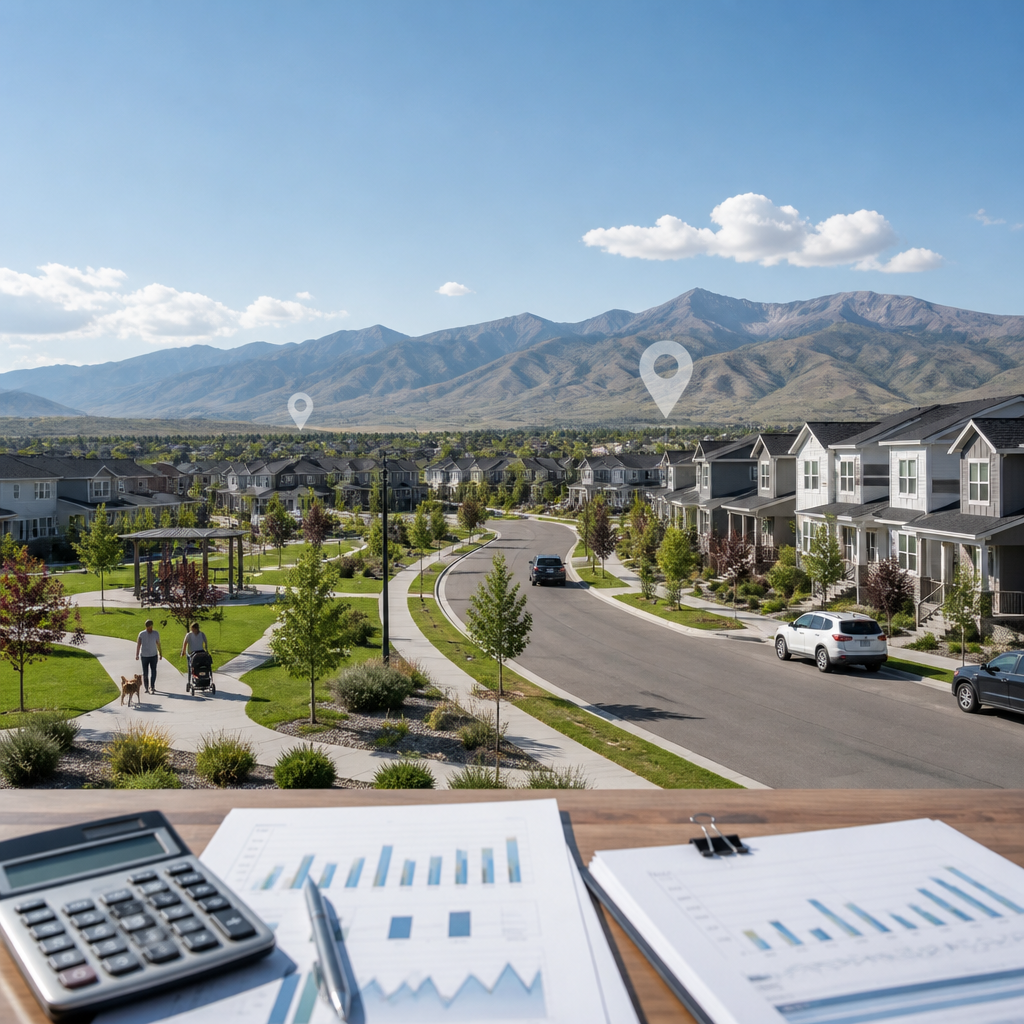
Preparation around financing and features can narrow the search. Based on mortgage rate trend summaries from Freddie Mac, national average 30‑year fixed rates during early 2026 have generally remained in a band between about 6% and 7%. That range influences monthly payment calculations for Spanish Fork buyers deciding between a smaller home near Main Street and a larger home further east near 2550 East. Clear budget parameters help focus attention on neighborhoods that align with long‑term financial goals.
Understanding trade‑offs between new construction and existing homes also aids decision‑making. New subdivisions near Spanish Fork Parkway often advertise modern floorplans, three‑car garages, and unfinished basements for future expansion. According to builder incentives compiled by NewHomeSource, some projects periodically offer closing cost credits or design center allowances ranging from about $5,000 to $15,000. Existing homes closer to downtown may lack those incentives but deliver established landscaping, shorter commutes, and quicker move‑in timelines.
Finally, staying current on neighborhood‑level data supports informed decisions. Monitoring Spanish Fork listings through UtahRealEstate.com, cross‑checking recent sales on Redfin or Zillow, and reviewing GreatSchools ratings for campuses like Spanish Fork High School and Riverview Elementary provide a clearer picture of value. Spanish Fork’s combination of expanding amenities, diverse housing stock, and relative affordability compared with northern Utah County communities continues to attract buyers in 2026, particularly those seeking a balance between suburban comfort and regional connectivity.
The roughly 23% population growth cited at the start of this guide reflects both Spanish Fork’s increasing regional profile and the sustained pull of its schools, parks, and commercial centers. That same 23% figure from the opening underscores how long‑term demand can support home values across older streets and new subdivisions alike. The UtahRealEstate.com MLS market statistics pages provide one of the most detailed real‑time windows into active inventory, price bands, and days‑on‑market trends in Spanish Fork and surrounding cities. Buyers who register saved searches, activate listing alerts, and schedule tours within 48 hours of promising new listings before the late‑spring surge in May typically secure stronger negotiating positions, while those who delay until after the peak often face tighter inventory, more competing offers, and fewer concessions.